Young Alumni Engagement: A 5-Year Progression That Earns Giving

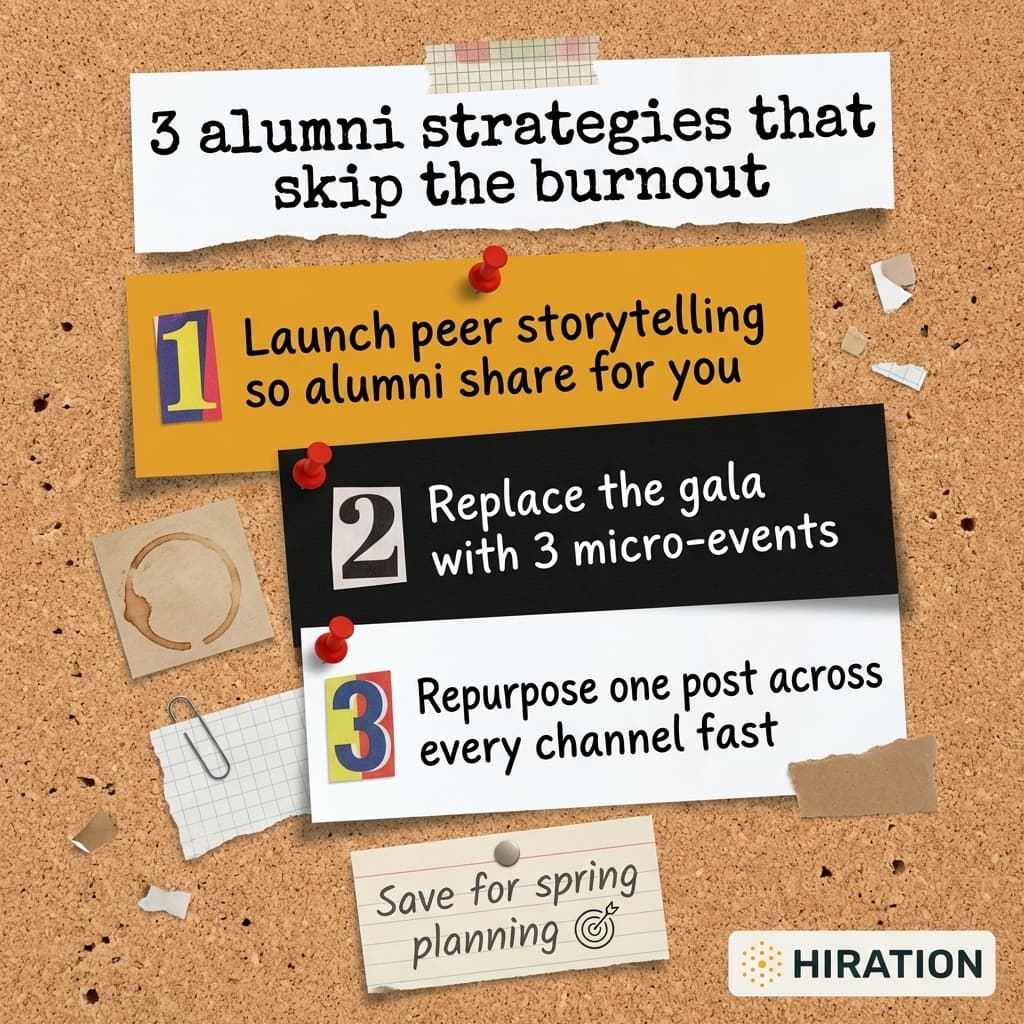
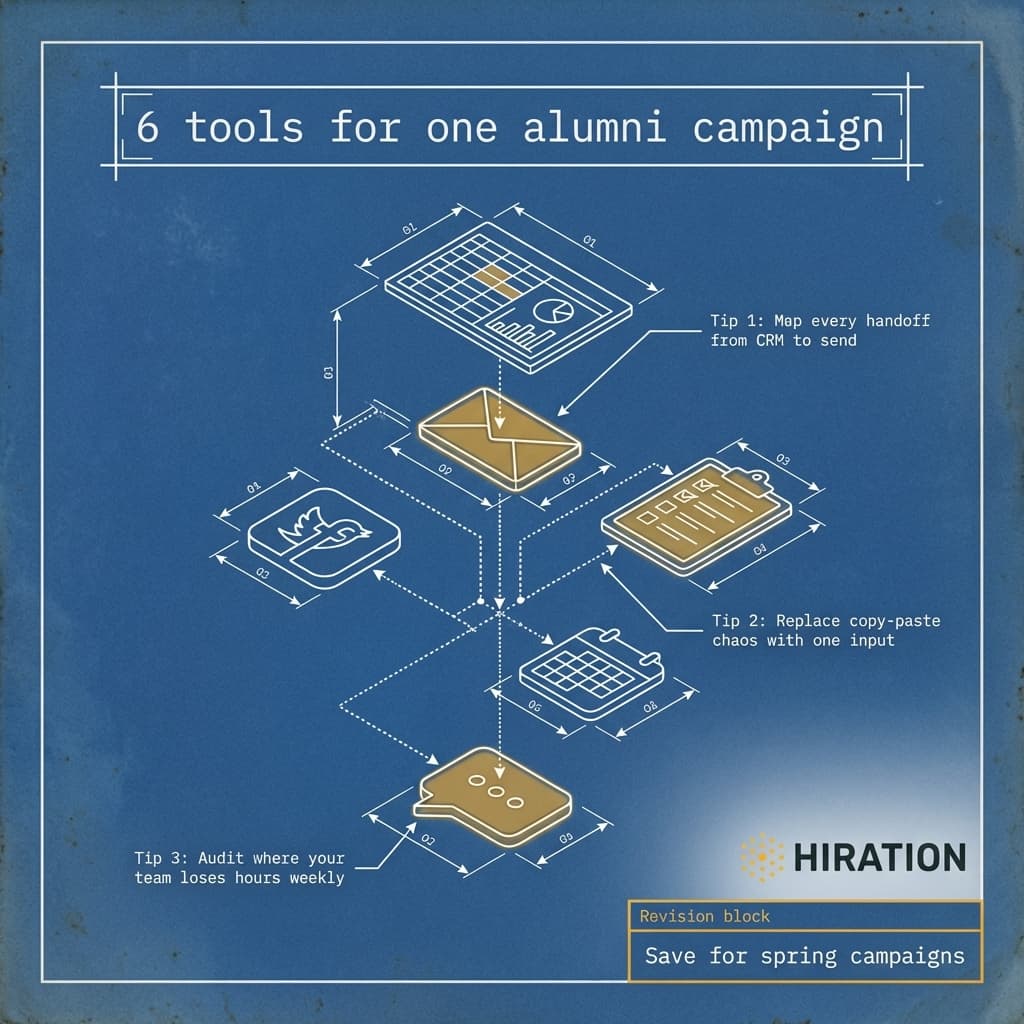
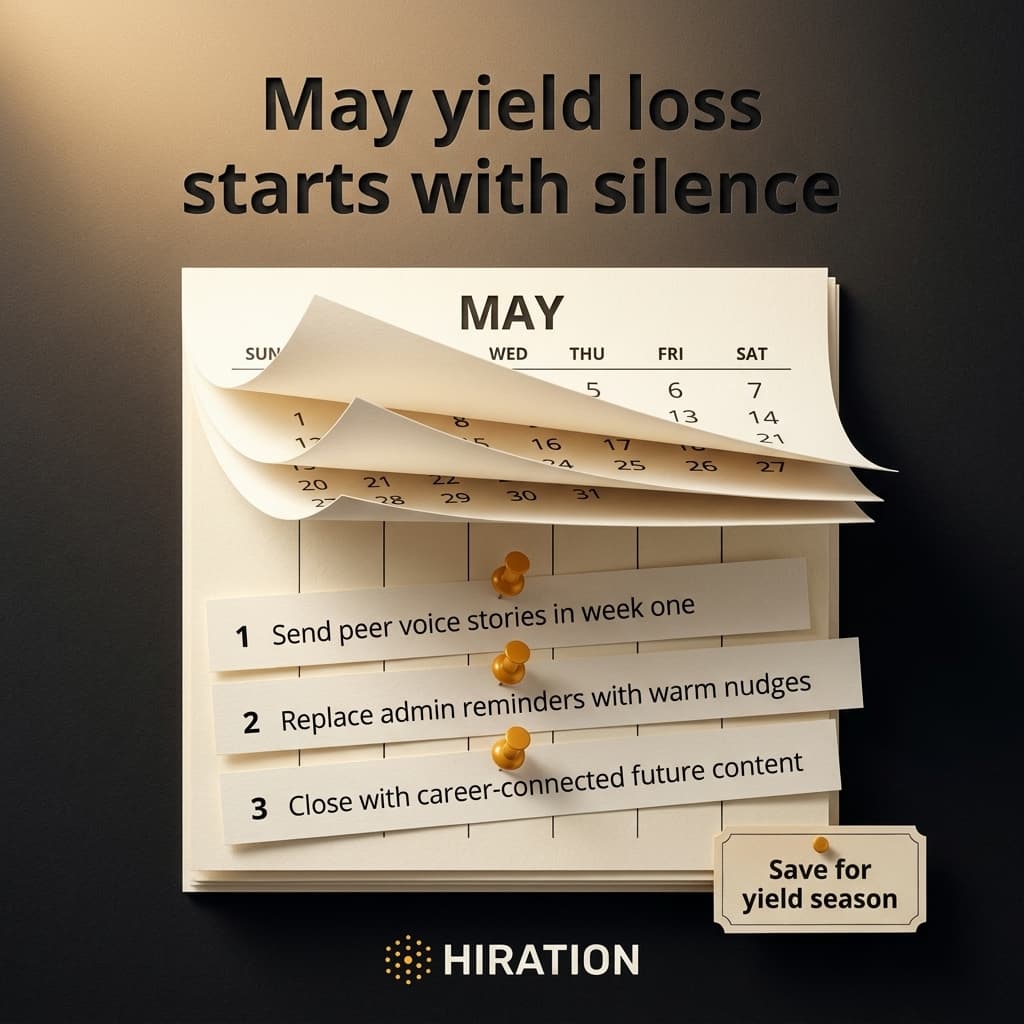
Visual by Campaign Studio · Generate your own for free
The reason recent graduates ignore your emails isn't the subject line. It's that you're asking for money from people who are worried about paying rent.
Most advancement teams run the same engagement playbook for a 24-year-old in their first job as they do for a 55-year-old executive. Same annual fund appeals. Same gala invitations. Same assumption that school pride automatically converts to donations. It doesn't. And the data proves it: young alumni giving rates have been declining for over a decade at most institutions. But some schools are reversing that trend by completely rethinking the first five years after graduation.
Why the Traditional Playbook Fails With Recent Graduates
Picture this: a 23-year-old graduates in May, starts an entry-level job in July making $42,000, and by October receives a glossy appeal asking them to "give back" to the institution they just left. They're splitting a two-bedroom apartment with a stranger. They have $28,000 in student loans. The email gets deleted.
This isn't apathy. It's math.
Traditional advancement strategies assume emotional connection to the institution is strong enough to drive giving on its own. For alumni who graduated 20 years ago, that might work. They've had time to build wealth, reflect on how their education shaped their career, and develop nostalgia. A recent graduate hasn't had any of those experiences yet. They're in survival mode.
The deeper problem is that most institutions treat the first five years as a single phase. In reality, a graduate's relationship to their alma mater shifts dramatically between year one and year five. Their needs change. Their identity changes. Their capacity changes. And your engagement strategy should change with them.
If your alumni team creates outreach content, Campaign Studio can save you a few hours each week.
See how it worksWhat Does a Career-First Approach Look Like in Years One and Two?
The institutions seeing the strongest young alumni engagement all share one thing in common: they lead with career value, not fundraising.
In years one and two, recent graduates care about one thing above almost everything else. Getting established professionally. They want to know if their degree was worth it. They're navigating new workplaces, figuring out office politics, and wondering whether they chose the right field.
This is your opening. Not to ask for a donation, but to be genuinely useful.
Specific tactics that work during this phase:
- Alumni mentor matching focused on industry-specific guidance, not general networking. A first-year marketing coordinator doesn't need to meet the university president. They need to talk to someone who was in their shoes five years ago.
- Skills-based programming like salary negotiation workshops, LinkedIn optimization sessions, or industry-specific career panels. These can be virtual, low-cost, and run quarterly.
- Job boards and career resources that stay accessible after graduation. Many career centers cut off access at commencement. That's exactly backwards. Extending access for two years costs almost nothing and builds enormous goodwill.
- Short, practical email content with a 90/10 ratio. Ninety percent career value, ten percent light institutional updates. No asks.
Georgetown's Alumni Career Services program is a good example. They offer lifetime career coaching access, and their young alumni engagement metrics consistently outperform peers. The connection between career support and long-term loyalty isn't coincidental.
Shift to Peer Community Around Year Three
Something changes around the three-year mark. Recent graduates start looking up from their desks. They've gotten a promotion or two. Maybe they've moved cities. The initial survival anxiety has faded, and they start thinking about belonging.
This is when peer community becomes powerful.
Young alumni affinity groups organized by city, identity, or industry give graduates a reason to stay connected that has nothing to do with the institution's needs and everything to do with theirs. A "Class of 2021 in Chicago" group chat or happy hour series creates social infrastructure that the university facilitates but doesn't control.
The distinction matters. Older advancement models put the institution at the center of every interaction. Young alumni respond better when the institution acts as a connector, then steps back. They want to find their people, not attend a branded event where someone gives a speech about the new science building.
Some practical moves for this phase:
- Launch city-based young alumni chapters with volunteer leaders from the graduating classes, not advancement staff running everything
- Create low-pressure social events (not receptions with name tags, but actual activities like trivia nights, running clubs, volunteer days)
- Introduce light institutional storytelling. Share what's happening on campus, but through the lens of how it connects to alumni interests. A new data science program matters to the young alum working in tech. The renovation of a dorm they never lived in doesn't.
- Start inviting participation, not donations. "Would you mentor a current student?" or "Can we feature your career story?" These asks cost nothing and build investment.
How Do You Earn the Giving Conversation by Year Five?
By year five, something remarkable happens if you've run the first four years well. Graduates have received real value from the institution post-graduation. They've built relationships with fellow alumni. They feel connected to something larger than their own experience.
Now you can talk about giving. And they'll actually listen.
But even at this stage, the approach matters. A $25 annual fund appeal doesn't resonate with someone who's been receiving personalized career support and community connection. It feels transactional. Instead, frame giving around impact they care about.
Did they benefit from alumni mentoring? Ask them to fund the mentoring program. Were they part of a scholarship cohort? Connect their gift to the next cohort. The ask should feel like a natural extension of their own experience, not a generic plea.
Crowdfunding campaigns tied to specific outcomes work particularly well with this demographic. "Help us send 10 students to the SXSW conference" converts better than "Support the annual fund" every single time. Young alumni want to see exactly where their money goes.
Some schools have also found success with giving circles, where groups of young alumni pool small gifts toward a project they collectively choose. It combines the community element they've been building with philanthropic participation. And the average gift size in these programs tends to grow year over year as participants advance in their careers.
The Five-Year Map in Practice
Here's the progression stripped down to its essentials:
Years 1-2: Lead exclusively with career value. Mentoring, job resources, skills programming. Email content is 90% useful, 10% institutional. Zero donation asks.
Year 3: Introduce peer community. City chapters, affinity groups, social events. Begin inviting participation through volunteering and storytelling. Still no donation asks.
Years 4-5: Layer in impact-driven giving opportunities tied to their experience. Crowdfunding, giving circles, named program support. Frame giving as the next step in a relationship that's already been built.
This progression requires patience. It means your advancement team won't count recent graduates in this year's annual fund numbers. That's a hard sell to leadership focused on participation rates. But the institutions doing this well are seeing something powerful on the back end: significantly higher lifetime giving from alumni who were engaged through this model compared to those who received traditional appeals and tuned out entirely.
One Thing to Do This Week
Pull your email engagement data for alumni who graduated in the last three years. Look at open rates and click rates by content type. Odds are, career-related content dramatically outperforms fundraising appeals. Take that data to your next team meeting and use it to make the case for a phased approach. You don't need to overhaul everything at once. Start by carving out the first two graduating classes and shifting their communication track to career-first content only. Measure the results for six months. The numbers will make the rest of the argument for you.
Frequently Asked Questions
When should you start asking recent graduates for donations?
Wait until at least year four or five after graduation. Before that, focus on providing career support and building peer community. Alumni who receive genuine value from their institution in the first few years are far more likely to give when eventually asked.
How do you engage young alumni who don't respond to emails?
Shift both the channel and the content. Young alumni respond better to text-based outreach, social media groups, and peer-led events than to institutional email newsletters. Lead with career resources and community connections rather than campus news or fundraising appeals.
Why are young alumni giving rates declining?
Most institutions use the same fundraising playbook for 24-year-olds as they do for 55-year-olds. Recent graduates facing student loan debt and entry-level salaries aren't in a position to give, and generic annual fund appeals feel disconnected from their current reality. Schools that delay the ask and lead with value are bucking this trend.
What kind of events work best for young alumni engagement?
Low-pressure, social-first events outperform formal receptions. Think trivia nights, running clubs, volunteer projects, and industry-specific happy hours organized by city. Events led by alumni volunteers rather than advancement staff tend to feel more authentic and draw better attendance.
Your Alumni team is already doing this work manually
Campaign Studio turns one idea into a full campaign across Instagram, LinkedIn, email, Handshake, and LMS. Weekly engagement runs on autopilot. Event campaigns build on demand.
Run Your First Campaign