Career Center Workshops: Why More Events Won't Fix Attendance

Visual by Campaign Studio · Generate your own for free
Most career centers respond to low workshop attendance by scheduling more workshops. That instinct is backwards, and it's quietly burning out small teams while failing the students they're trying to reach.
The problem isn't that students don't care about career readiness. They do. But a resume workshop at noon on a Tuesday competes with classes, part-time jobs, club meetings, and the very real human desire to eat lunch. When 12 students show up to a room set for 60, the takeaway shouldn't be "students aren't engaged." It should be "we're delivering content at the wrong time in the wrong format."
Your Usage Data Already Tells You What Students Want
Pull the analytics on whatever digital tools your office uses. Career center platforms, resume builders, job boards. Look at when students actually log in and do the work.
For most institutions, the answer is predictable and a little painful: 9 PM to midnight. Sometimes later. Students are building resumes at 11:30 on a Wednesday night, tweaking cover letters on Sunday afternoons, scrolling job listings between Netflix episodes. This isn't surprising if you think about it for ten seconds. College students are nocturnal creatures with overscheduled days.
But here's what's striking. Many career centers collect this data and never act on it. They see the late-night spikes, nod, and then schedule another lunch-hour event. The gap between what the data says and what the programming calendar looks like is enormous.
A three-person career team at a mid-size university serving 5,000 undergrads can't staff office hours at 10 PM. Nobody's suggesting that. But they can make sure the resources students reach for at 10 PM are actually good. Recorded walkthroughs that go beyond "use action verbs." AI-assisted resume feedback that catches formatting issues instantly. Self-paced modules that cover the same ground as that Tuesday workshop, available whenever a student is ready.
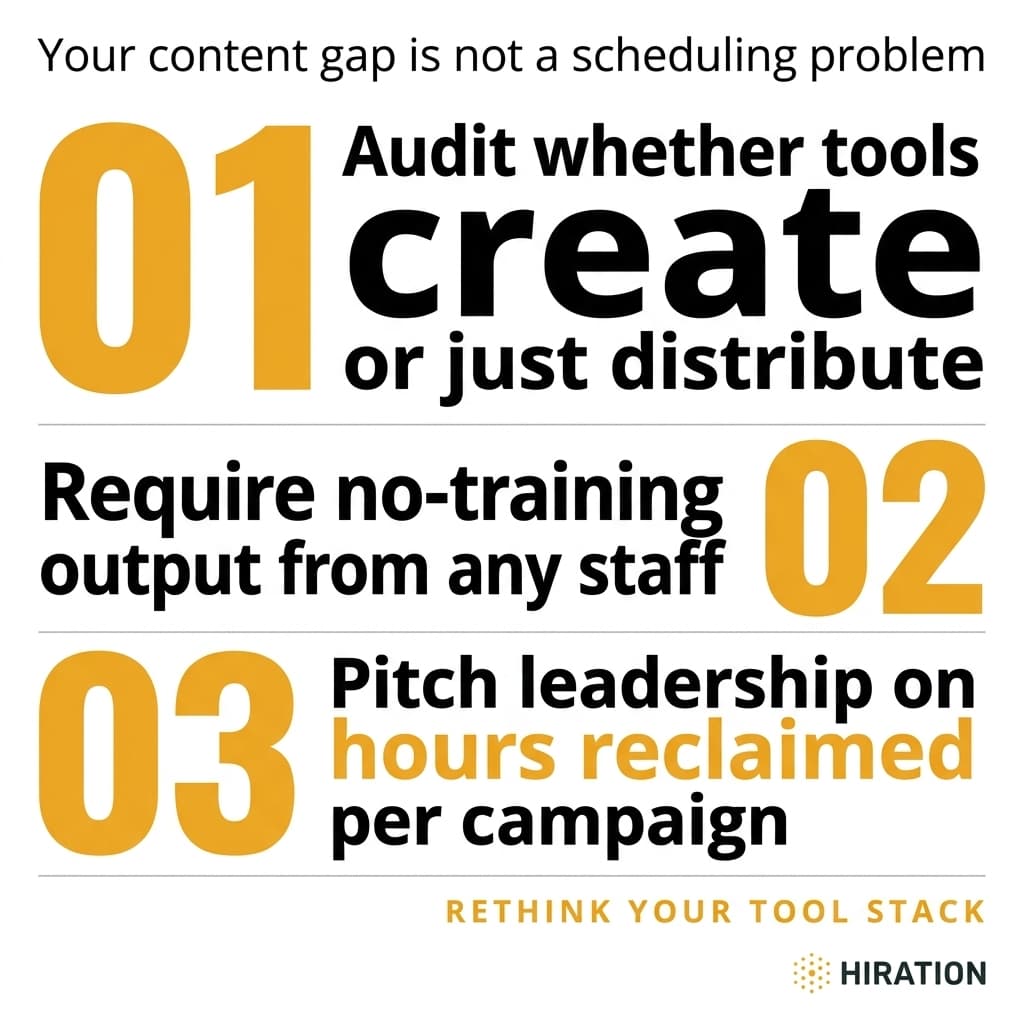
If your career services team runs social campaigns, Campaign Studio can save you a few hours each week.
See how it worksThe Real Cost of the "More Events" Reflex
Every workshop requires prep time. Room booking. Marketing emails that get opened by 11% of recipients. Day-of logistics. Post-event surveys. For a small team, a single workshop can eat 8 to 12 hours of staff time across the full cycle.
Now multiply that by a programming calendar with 40+ events per semester. That's the reality at many career centers, where directors feel pressure from leadership to show activity. Event counts look good in annual reports. They photograph well for social media. They feel productive.
But what's the cost per student reached? If a workshop takes 10 hours of staff time and 15 students attend, that's 40 minutes of staff investment per student. A well-built digital resource that takes 20 hours to create and gets used by 500 students over a semester? Two and a half minutes per student. The math isn't even close.
This doesn't mean workshops are useless. Some topics genuinely benefit from live interaction. Mock interviews, salary negotiation practice, networking skills. These need a room and a human. But "How to Write a Resume" delivered as a synchronous event in 2025? That's a choice worth questioning.
Redesigning Around Student Behavior, Not Staff Schedules
Shifting from event-heavy to always-available doesn't happen overnight. But a reasonable starting point looks like this:
- Audit your current programming. Tag every workshop as either "needs live interaction" or "could be async." Be honest. Most resume and cover letter content falls into the second category.
- Record your best stuff first. Take your most popular workshop, the one your strongest presenter delivers, and record a polished 15-minute version. Not a Zoom recording with "can everyone see my screen?" at the beginning. Something intentional.
- Build feedback loops that don't require appointments. Whether it's an AI tool, a peer review system, or structured templates with embedded guidance, give students a way to get help without waiting for office hours.
- Track engagement differently. Stop counting butts in seats as your primary metric. Start measuring how many students completed a resume draft, submitted a job application, or logged into your platform more than once. Outcomes over attendance.
One career center director I spoke with cut their workshop calendar by 40% and redirected that staff time toward building on-demand resources. First-destination survey completion rates went up. Staff burnout went down. Students didn't complain because most of them weren't attending those workshops anyway.
This week, pull your platform's usage data and find the peak hours. Then look at your event calendar. If there's a mismatch between when students are doing career work and when you're offering help, you've found your starting point.
Your Career Services team is already doing this work manually
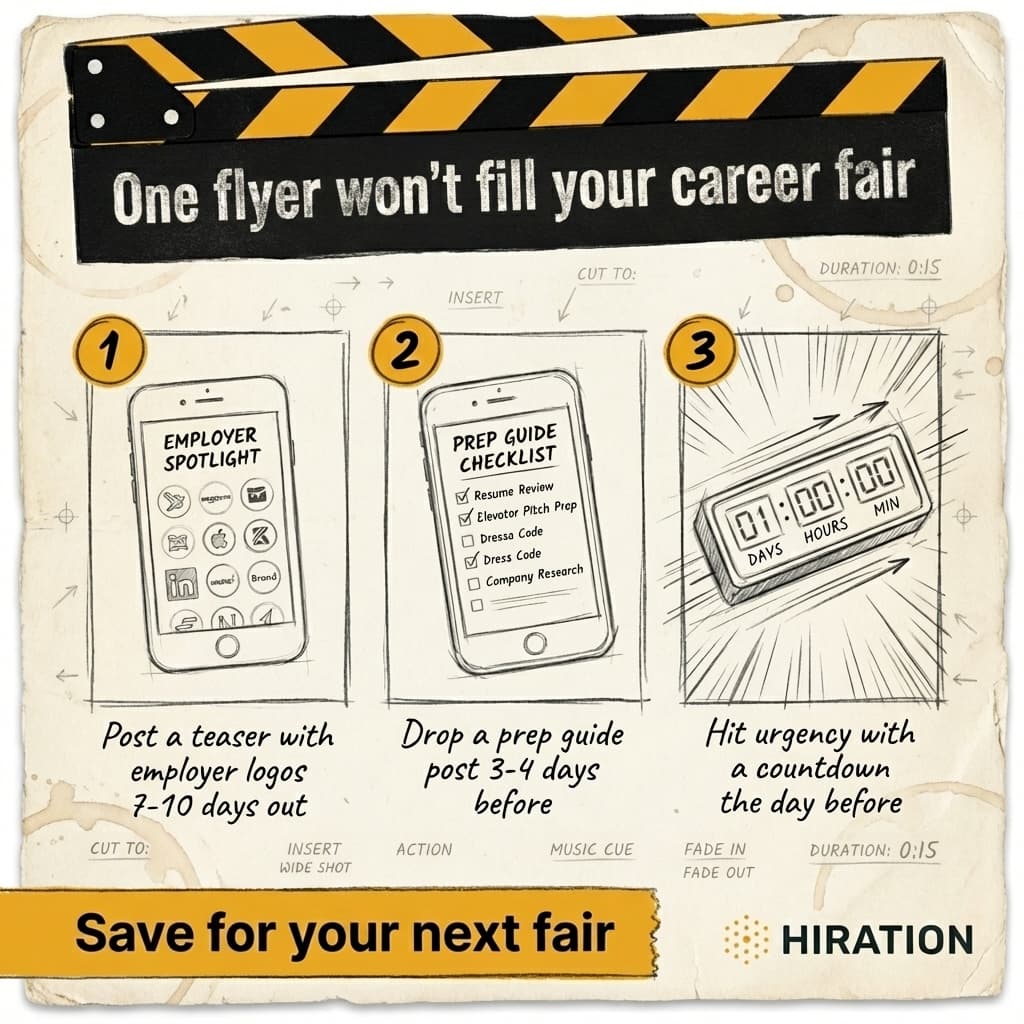
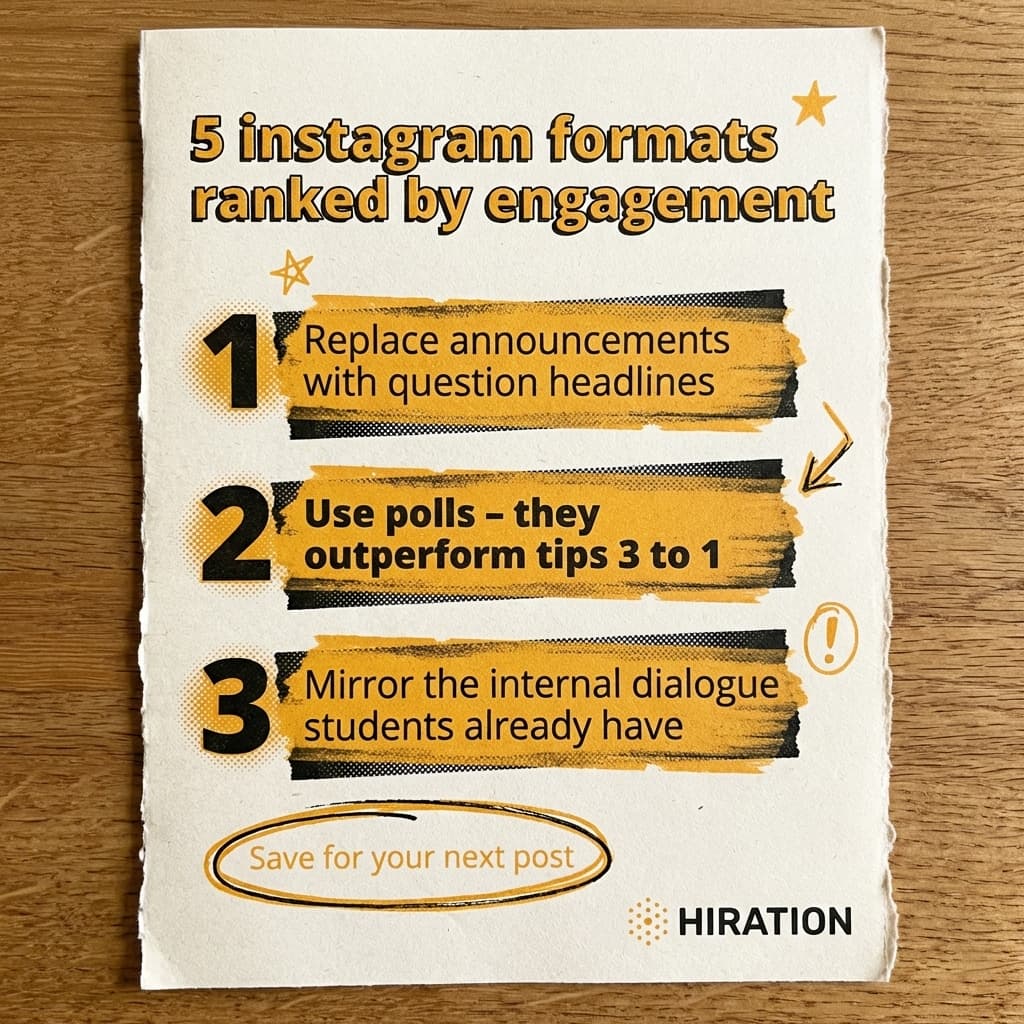
Campaign Studio turns one idea into a full campaign across Instagram, LinkedIn, email, Handshake, and LMS. Weekly engagement runs on autopilot. Event campaigns build on demand.
Run Your First Campaign